


COLLABORATIVE LAW
Collaborative Law is a voluntary process in which the parties pledge to resolve their dispute outside of court.
Collaborative Law is a unique process for negotiating the legal issues involved in obtaining a divorce without the involvement of the courts. Each spouse retains his or her own attorney who is trained in Collaborative Law. In New York, attorneys are certified as Collaborative Lawyers by the New York Association of Collaborative Professionals. When the parties to a dispute opt into Collaborative Law, they sign a Collaborative Participation Agreement. Under the agreement, both the parties and their lawyers pledge not to involve the Court while working towards resolving the various issues at hand. Should one party file in court, both would be required to hire new counsel.
How does it work?
In Collaborative Law negotiations, the parties and their attorneys meet together to discuss issues and work towards solutions. The Collaborative process may involve one or more consultants, such as financial specialists, divorce coaches, or child specialists, who provide clear insight and help the parties negotiate. A successful Collaborative process hinges upon the parties’ commitment to working toward resolution in good faith and with full disclosure of all information relevant to the dispute.
Who is Collaborative Law for?
Collaborative Law is well-suited for people who want to work in a non-adversarial way but feel they would prefer to have an advocate by their side as they negotiate. The process allows the parties to avoid escalating conflict as they generate solutions for their family’s future. It is safeguarded by both attorneys advocating for their clients’ interests, and the Collaborative Participation Agreement, which helps prevent the dispute from escalating to litigation.
How is Collaborative Law different from mediation?
While mediation can feel similar, a mediator does not advocate for either party. In Collaborative Law, each party is represented by their own attorney, who protects their interests throughout the process. The Collaborative Participation Agreement also creates a strong incentive for everyone to commit to resolving the matter outside of court.

OUR PROCESS
-
In the initial meeting, the parties may consult with their attorneys about process choice to determine whether Collaborative Law is well-suited to their circumstances and goals.
-
The parties and their attorneys convene for the first meeting, during which they review, and typically sign, the Collaborative Participation Agreement.
-
The parties and their attorneys discuss the various issues that need to be addressed to create a divorce settlement. To the extent that financial disclosure is required, such information is exchanged. The parties and counsel may consult with experts, such as divorce coaches and financial specialists, to reach more informed decisions.
-
In Collaborative Law negotiations, the parties make decisions and reach agreements as they go.
-
Once all issues have been reviewed and agreed upon, discussion concludes and the attorneys draft the settlement agreement.
-
The parties and their attorneys review the draft of the agreement and discuss any final changes they would like to make.
-
The agreement is finalized, and the attorneys prepare all requisite divorce documents to be filed with the court if the parties have decided to proceed to a divorce immediately.
MEET OUR PRACTICE
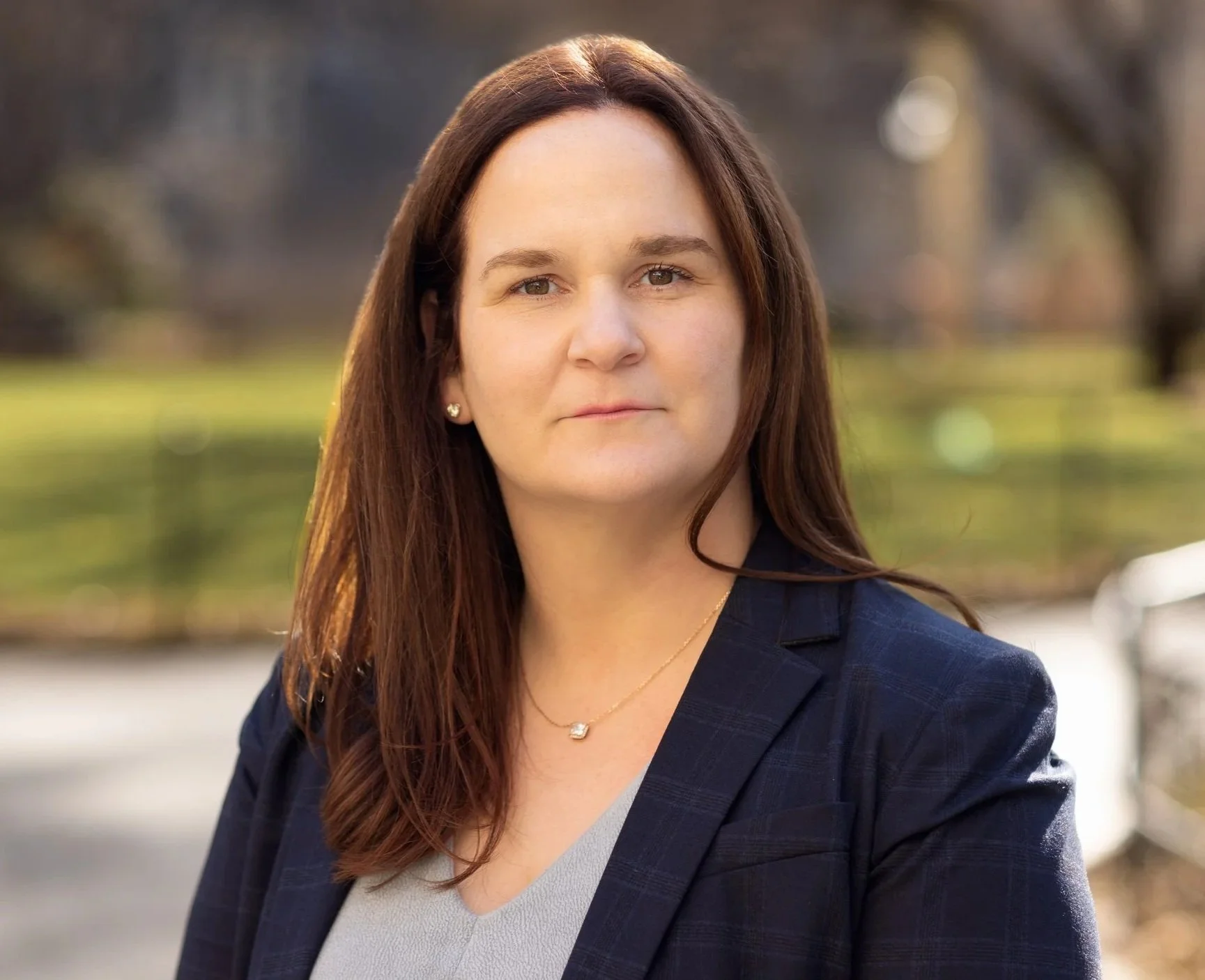
Louisa DeRose
Louisa recognizes that settling cases outside of the courtroom can be in a family’s best interest. In her practice, she strives to provide clients with a full picture of the issues and options so they may make intelligent and informed decisions about what is best for them and their future. She is committed to cooperation and is thoughtful in orchestrating dialogue between parties and neutrals to create a dynamic, humane settlement.
This material is provided for informational purposes and does not constitute legal advice or establish an attorney-client relationship, which may be established only by a writing signed by the lawyer and the client.