


DOMESTIC VIOLENCE
What is domestic violence?
Domestic violence is a pattern of abusive behavior used by an abuser to exert power and control over another individual in an intimate partner, dating, or family relationship. Domestic violence can be physical, sexual, psychological, emotional, financial, reproductive, technological, legal, and/or economic in nature.
Anyone can be a victim of domestic violence, regardless of gender, sexual orientation, race, age, class, religion, etc.
If you are in immediate danger, please call 911. New York City also has a 24-hour, daily hotline for survivors of domestic abuse. Call 1.800.621.4673 or contact 311. New York State also runs a 24-hour, daily hotline: 1.800.942.6906 (or 711 for Deaf or Hard of Hearing). You can also text the hotline at 844.997.2121.
What can domestic violence look like?
Abuse does not need to be physical to be considered domestic violence. Abusive behavior is rarely an isolated incident and often escalates in both frequency and severity over time. Different forms of abuse often overlap and compound to control or influence an individual’s behavior in the relationship.
In addition to physical or sexual abuse, domestic violence can include:
01
Psychological or Emotional Abuse
This could involve one partner isolating, humiliating, and/or constantly criticizing the other. It may include forms of "gaslighting," where abusers undermine their partner's sense of reality (for example, by denying that they said or did a particular thing, or by trivializing what has occurred). An abuser may use intimidation and threats to harm themselves or others, such as threatening self-harm if their partner tries to end the relationship.
02
Technological Abuse
Technological abuse can include monitoring a partner's activities through shared devices and accounts, hacking into a partner's accounts or devices, sending unsolicited intimate photos or demanding such photos from one's partner, cyberstalking, or surveilling a partner.
03
Reproductive Abuse
Reproductive abuse or reproductive coercion involves behavior that interferes with or otherwise undermines an individual's reproductive autonomy. This may include efforts to impregnate an individual against their will (such as by sabotaging birth control or forcing unprotected sex), or to prevent an individual from obtaining (or in the alternative, forcing an individual to obtain) an abortion, and interfering with access to healthcare.
04
Financial Abuse
This form of abuse takes many shapes and often goes unnoticed. It can include controlling access to money, forbidding a partner from earning their own money or going to school, stealing, maxing out credit cards in the victim's name, controlling resources, and taking actions to ruin one's credit.
05
Litigation Abuse
Litigation, or threats of litigation, can create another arena for abuse. Filing frivolous lawsuits and motions, delaying court proceedings, stonewalling, and making false accusations (e.g.: false claims of parental alienation) can all constitute litigation abuse.
These abusive behaviors often overlap and compound each other to create a system of coercive control, whereby an abuser exerts dominance over his or her partner. Sometimes, survivors of abuse may feel that following their partners’ rules or handing over control of certain aspects of their lives may be an expression of love between them. However, these behaviors can intersect to isolate and manipulate survivors, exacerbating their dependence on their abuser and making them feel as though they have limited options to escape the abuse.
What are your options?
Survivors have different options available to them to report and address domestic violence, including in criminal court and/or civil court. Orders of protection can provide valuable relief by setting conditions around a family member, current or former spouse, or intimate partner’s behavior, conduct, and ability to contact the survivor. An order of protection can, among other things, require an individual to:
Stay away from you (and other members of your household)
Not contact you in any way
Move out of a shared residence
Not commit any family offenses against you
Surrender any firearms
While a criminal order of protection requires criminal charges to have been filed against the abuser, survivors can also file a family offense petition in family court and request that an order of protection be entered on behalf of themselves and their children (if applicable). Family offenses include, inter alia, disorderly conduct, unlawful dissemination or publication of intimate partner photos, harassment, menacing, assault or attempted assault, reckless endangerment, forcible touching, stalking, identity theft, and coercion. You can find a full list of family offenses here.
If you are married and are contemplating or in the middle of a divorce, you can also seek an order of protection as part of the divorce proceeding.

ADDITIONAL RESOURCES
The following organizations provide resources and support to help people escape abusive situations.
Sanctuary for Families provides services to survivors of gender-based violence living in New York City, including counseling and crisis services, legal services, and shelter.
Safe Horizon is the largest victim services nonprofit in the country and provides support and advocacy services on behalf of survivors of violence, abuse, and exploitation.
National Domestic Violence Hotline is a 24/7 hotline for survivors of abuse, family members, and loved ones to seek support.
New York City’s Department of Social Services provides resources for survivors of domestic and gender-based violence, including for those who may need temporary housing or emergency shelter.
New York State Coalition Against Domestic Violence maintains a statewide directory of organizations that assist survivors and provides additional resources for digital safety and safety planning.
Family Justice Centers operate in all five boroughs of New York (Monday–Friday, 9am–5pm) and provide support for people experiencing domestic and gender-based violence.
ATTORNEYS
Divorce and custody proceedings can become difficult when domestic violence is involved. Our attorneys are knowledgeable, sensitive, and indefatigable advocates who can help you find relief and plan your next steps.
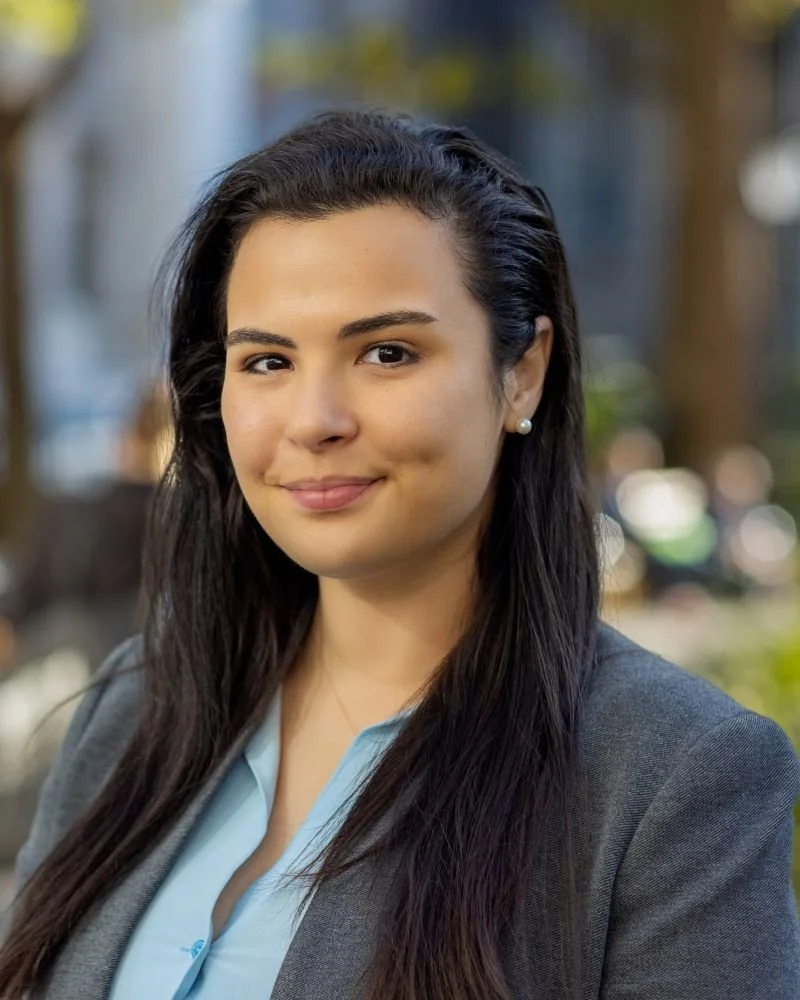
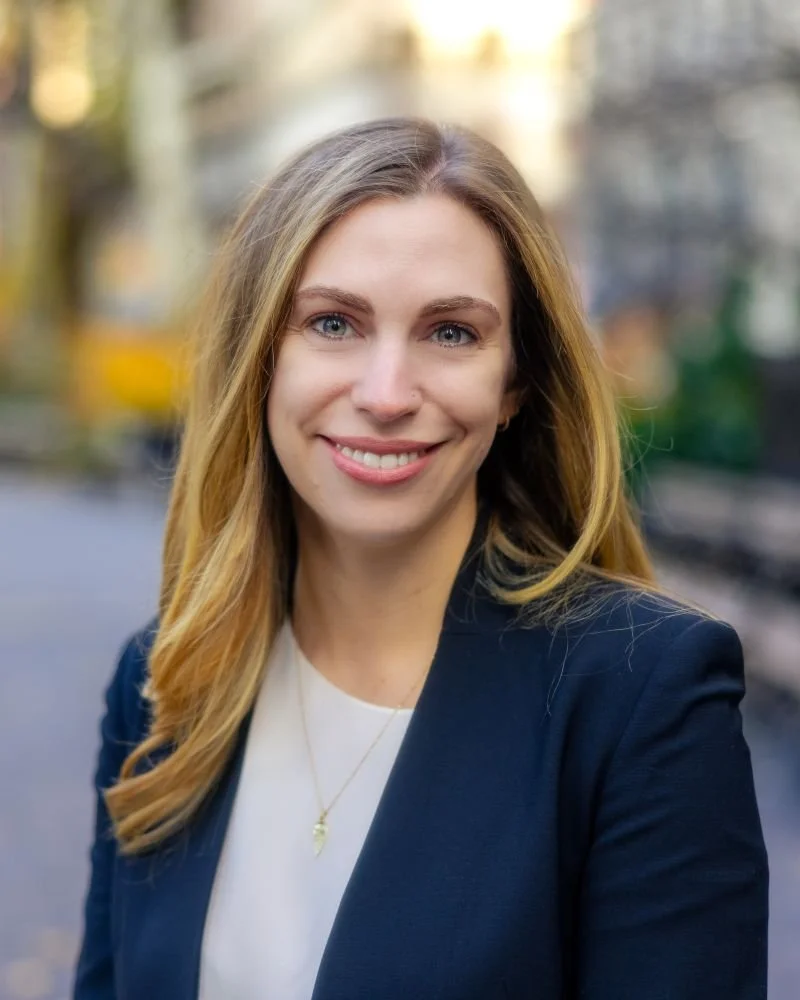
Led by partner Kara M. Bellew, who worked at Sanctuary for Families for 10 years and has a Master of Social Work, we meet you where you are and provide you with actionable options.
Click any attorney's contact button to visit their profile and get in touch.

PUBLICATIONS
2026 “How ‘Factor 14’ Made Domestic Violence Matter in Divorce Property Division” by Kara M. Bellew | New York Law Journal
2025 “Brief for Amici Curae Sanctuary for Families Et. Al. in Support of Respondent-Appellant” by Sarah Gutman | Sanctuary for Families
2025 “Beyond ‘Nicholson’: A Step Forward for Protecting Victims of Domestic Violence” by Kara M. Bellew and Anita Rojas Carroll | New York Law Journal
2024 “The Unraveling of Sean Combs: How Legislation from the #MeToo Movement Brought Diddy Down” by Kara M. Bellew | New York Law Journal
2024 “SCOTUS Takes an Important Step in Securing the Safety of Victims of Domestic Violence” by Kara M. Bellew | New York Law Journal
2018 “MeToo Movement: Misconduct and Divorce” by Kara M. Bellew | New York Law Journal
PRESS
2025 “Standing Up for Reproductive Rights & Survivors in Matter of L.B.” | Sanctuary for Families
2024 “The Hidden Face of Abuse: How One Lawyer is Redefining Domestic Violence” | Beyond the Bar Podcast
2023 “How To Properly Manage Your High-Conflict Case (Including With Your Own Attorney)” | Been There Got Out Podcast
2019 “How Domestic Abusers Weaponize the Courts” | The Atlantic
2018 “A Family Lawyer on the Challenges Facing Domestic Violence Survivors Seeking a Divorce” | Pacific Standard
This material is provided for informational purposes and does not constitute legal advice or establish an attorney-client relationship, which may be established only by a writing signed by the lawyer and the client.